Found a Tick? Here’s What I Want You to Know
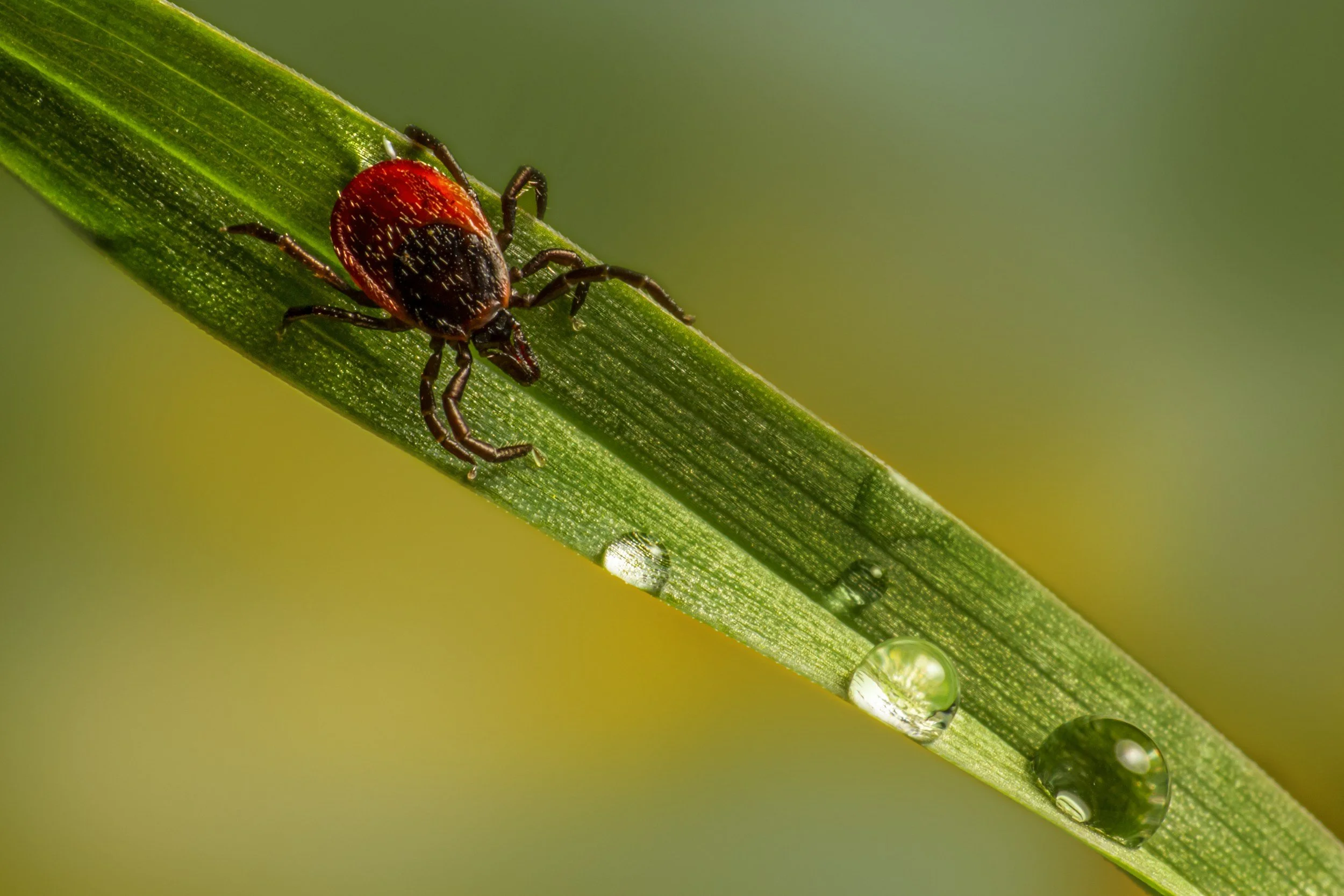
I was recently asked at a class reunion, after someone learned I work with patients navigating complex chronic illnesses and tick-borne disease:
“If a tick is only attached for a few minutes, can you still get sick?”
It’s a great question, and one many people are surprised by.
The honest answer is that longer attachment generally increases risk, especially for Lyme disease, but some tick-borne infections may transmit faster than people realize. That’s why it’s important not to ignore a tick bite, even if it seemed brief.
The good news is that being informed and acting early can make a meaningful difference.
Ticks Are No Longer Just a “Northeast Problem”
One of the biggest misconceptions I still hear here in Texas is:
“We don’t really have ticks in our state.”
According to CDC tick surveillance and distribution maps, ticks and tick-borne illnesses are now being reported across the United States, and tick populations continue to expand geographically.
So if a provider tells you there are “no ticks” where you live, that is unfortunately outdated information. Risk levels vary by region and tick species, but awareness matters everywhere.
If You Find a Tick Crawling on You
If you find a tick crawling on your skin but it has not attached, the risk of infection is much lower. Remove it carefully without touching it directly if possible.
Then do a thorough tick check. Ticks love warm hidden areas like, behind the knees, scalp and hairline, behind the ears, armpits, groin, and waistband area.
A shower soon after being outdoors can help wash away unattached ticks before they latch on. Some people even keep a lint roller near the door to catch tiny ticks on clothing after hikes or yard work.
If the Tick Is Attached
Please skip the internet remedies. Do not smother it with oils, or cover it in petroleum jelly. These methods can irritate the tick and potentially increase exposure to bacteria or saliva.
Instead, use simple fine-tipped tweezers.
How To Remove a Tick
Grasp the tick as close to the skin as possible
Pull upward slowly and steadily
Do not twist or jerk it
Clean the area afterward with soap, water, or rubbing alcohol
Sometimes a small piece remains behind in the skin. While not ideal, this is often more like a splinter and may work itself out naturally.
Save the Tick
If possible, save the tick in a sealed container or plastic bag with a slightly damp paper towel. Some academic and public health programs, including Baylor College of Medicine’s Texas Tick Project, offer tick identification and testing services that may provide additional information about possible exposures.
While tick testing does not diagnose illness, it can sometimes provide helpful information for you and your healthcare provider. The CDC also advises against delaying medical care while waiting for tick analysis results, since a negative test does not completely rule out exposure and a positive test does not confirm transmission.
If you develop symptoms or have concerns after a tick bite, it is important to seek medical evaluation proactively rather than waiting for testing results.
It’s also smart to:
Take a picture of the tick
Note the date of the bite
Monitor symptoms over the next few weeks
Symptoms People Often Miss
Many families I work with are surprised to learn that not everyone with Lyme disease remembers a tick bite or develops a classic bullseye rash.
Symptoms can look more like:
a summer flu
unusual fatigue
headaches
body aches
joint pain
fever or chills
neck stiffness
new rashes
If symptoms develop after a possible tick exposure, early medical evaluation is important.
Current Lyme testing also has limitations, especially very early after exposure, so a negative test does not always rule Lyme or other tick-borne diseases out. I encourage patients to have proactive conversations with their healthcare provider about symptoms, timing of exposure, and whether additional monitoring, repeat testing, or preventive treatment may be appropriate for their situation.
When tick-borne illnesses go unrecognized or untreated, some individuals can go on to develop more significant neurological, cognitive, cardiac, or systemic symptoms. Early awareness and evaluation matter.
Prevention Is Still the Best Strategy
Unfortunately, tick-borne illnesses are becoming more common across the U.S. The best protection is still reducing bites in the first place:
wear protective clothing outdoors
check yourself and your pets after being outside
shower after hikes or yard work
remove ticks promptly
Most importantly: don’t dismiss symptoms simply because the tick “wasn’t attached that long.” Listening to your body early can make a meaningful difference.