Cyclosporiasis: What You Need to Know About This Summer Foodborne Illness
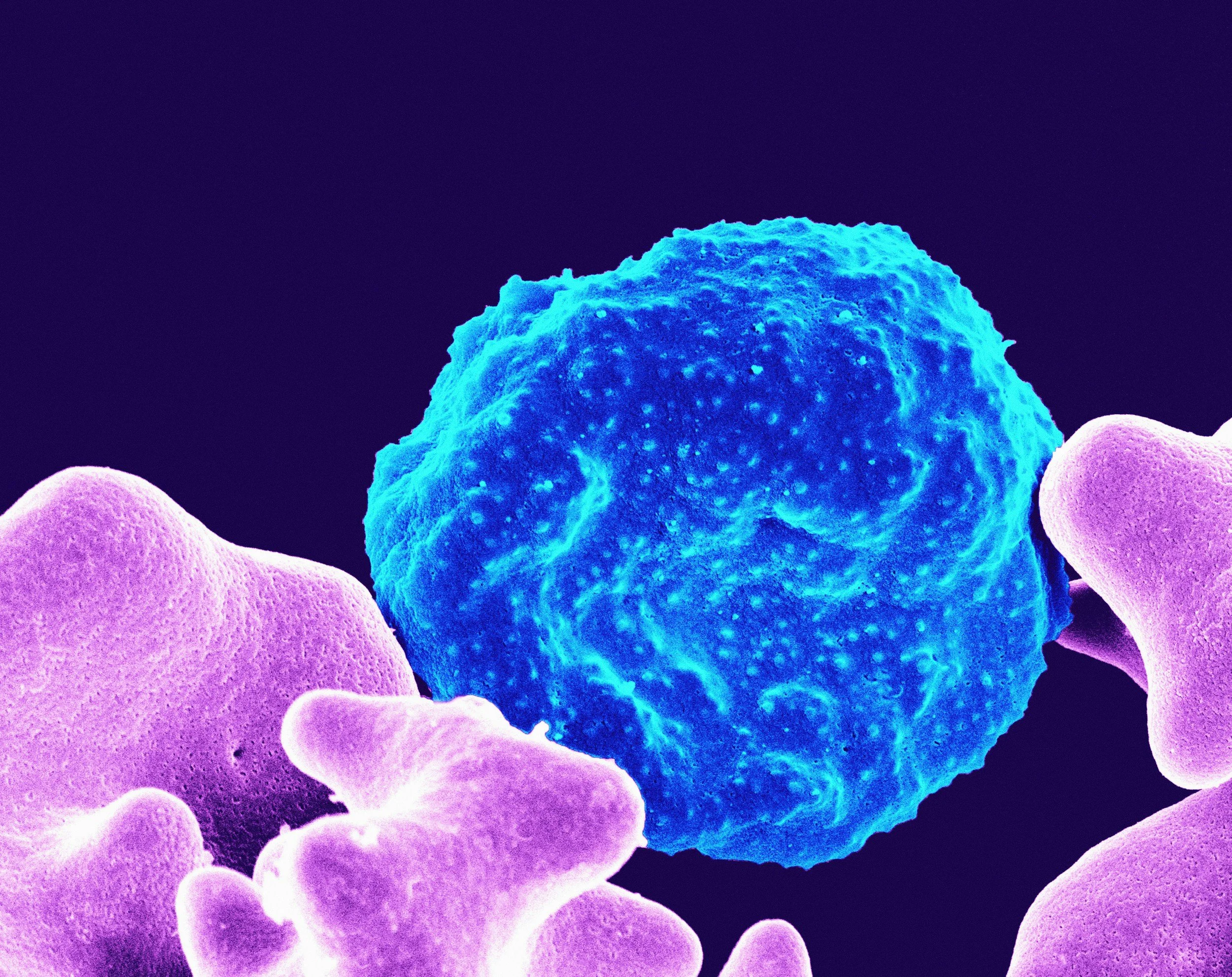
Each summer, reports of food recalls involving fresh fruits and vegetables seem to become more common. One infection that often makes the news is cyclosporiasis, an intestinal illness caused by the microscopic parasite Cyclospora cayetanensis. While it is not one of the most common foodborne illnesses, it can cause significant gastrointestinal symptoms that last for weeks if left untreated.
Unlike many foodborne bacteria, Cyclospora cayetanensis is a parasite. People become infected by eating food or drinking water contaminated with the parasite. Interestingly, the parasite is not usually spread directly from one person to another because it must first mature in the environment before it becomes infectious. This process typically takes several days to weeks, which is why outbreaks are usually linked to contaminated produce rather than close personal contact.
Fresh fruits, vegetables, and herbs are the foods most commonly associated with cyclosporiasis outbreaks. In recent years, contaminated bagged salad mixes, romaine lettuce, cilantro, basil, raspberries, blackberries, snow peas, sugar snap peas, and green onions have all been linked to outbreaks. Because these foods are often eaten raw, there is no cooking step to destroy the parasite before they are consumed.
Symptoms usually develop about one week after exposure but can appear anywhere from two to fourteen days later. The most common symptom is profuse watery diarrhea. Many people also experience abdominal cramping, bloating, nausea, fatigue, decreased appetite, weight loss, and occasionally a low grade fever. Without treatment, symptoms can persist for several weeks or even months and may improve temporarily before returning.
One of the best ways to reduce your risk is to stay informed about current food recalls and outbreaks. During periods of increased activity, it may be wise to choose fruits and vegetables that can be peeled, such as bananas, oranges, mangoes, avocados, and melons, rather than consuming raw leafy greens, fresh herbs, or berries that have been associated with recalls. Even when you plan to peel produce, it is still important to wash the outside thoroughly under running water before cutting into it. Washing cannot reliably remove Cyclospora, but it can reduce dirt and other contaminants, and washing before peeling helps prevent organisms on the surface from being transferred to the edible portion with your knife.
If you develop persistent diarrhea after eating fresh produce, especially during a known outbreak, it is important to seek medical attention. Routine stool cultures do not detect Cyclospora cayetanensis. Your healthcare provider must specifically order testing for the parasite, often through a gastrointestinal PCR panel or specialized stool testing.
Special Considerations for People with Chronic Gastrointestinal Conditions
If you have Crohn's disease, ulcerative colitis, microscopic colitis, or another chronic gastrointestinal condition, a Cyclospora infection can be especially challenging. Because symptoms such as diarrhea, abdominal pain, fatigue, and weight loss overlap with those of many digestive disorders, it can be easy to assume you are experiencing a flare of your underlying condition rather than a foodborne infection. This may delay appropriate testing and treatment.
If your symptoms begin after eating fresh produce, especially during a known Cyclospora outbreak, let your healthcare provider know. Stool testing for Cyclospora cayetanensis should be considered, particularly if your symptoms are more severe than usual, are not responding to your typical treatment, or are accompanied by significant dehydration or weight loss.
If you are taking medications that suppress your immune system, such as corticosteroids, azathioprine, methotrexate, biologic therapies, or JAK inhibitors, you may also be at greater risk for prolonged or more severe illness. Prompt medical evaluation can help ensure you receive appropriate testing and treatment.
Staying Hydrated Is an Important Part of Recovery
Because cyclosporiasis often causes significant watery diarrhea, dehydration can become a concern, especially in young children, older adults, and individuals with chronic medical conditions. Replacing lost fluids and electrolytes with an oral rehydration solution is an important part of supportive care and can help prevent complications from dehydration. However, while staying hydrated helps manage the symptoms, it does not treat the underlying infection. Without appropriate antibiotic treatment, many people continue to experience diarrhea and other symptoms for weeks or even months. If you are unable to keep fluids down, notice signs of dehydration such as dizziness, dry mouth, decreased urination, or rapid heart rate, or your symptoms become severe, seek medical attention promptly, as intravenous fluids may be necessary.
Treatment
The treatment of choice for cyclosporiasis is the antibiotic combination trimethoprim-sulfamethoxazole (TMP-SMX), commonly known as Bactrim. This medication is highly effective and remains the standard treatment for Cyclospora cayetanensis. For individuals with a true sulfonamide allergy, ciprofloxacin may be considered as an alternative, although it is generally less effective than TMP-SMX and is not considered an equivalent substitute. Ciprofloxacin belongs to the fluoroquinolone class of antibiotics, which carry FDA boxed warnings for tendon injury, peripheral neuropathy, and other potentially long-lasting side effects. Because of these risks, many clinicians recommend avoiding fluoroquinolones in patients with Ehlers-Danlos syndrome and other connective tissue disorders whenever reasonable alternatives are available. Treatment decisions should always be individualized in consultation with a healthcare provider.
Although cyclosporiasis is relatively uncommon, it is an important cause of prolonged diarrhea, particularly during the warmer months when fresh produce consumption is highest. Paying attention to food recalls, washing produce carefully, and recognizing symptoms early can help reduce your risk. If diarrhea persists for more than a few days or seems unusually severe, asking your healthcare provider whether testing for Cyclospora cayetanensis is appropriate may help lead to a quicker diagnosis and appropriate treatment.